


What Could Happen Next in 2026

The situation between Israel, Iran, and the United States is still developing. While a full-scale war has not officially broken out, the region remains highly sensitive. The next few months are critical.

There are three possible directions this conflict can take.

Scenario 1: Diplomatic Solution and De-escalation

This is the best-case scenario for the world.

In this situation, backchannel diplomacy becomes successful. Countries like Pakistan, Qatar, and Turkey may help reduce tensions by facilitating dialogue between the parties involved.

If talks continue and both sides agree to limit military actions, the region could avoid war. This would stabilize oil markets and restore investor confidence.

Pakistan’s potential involvement in diplomatic discussions (Islamabad Talks) shows how important regional cooperation is becoming.

Scenario 2: Limited Regional Conflict

Middle east map

This is the most likely scenario according to many analysts.

Instead of a direct large-scale war, both sides may continue indirect attacks through proxy groups. These include operations in Syria, Lebanon, and maritime routes.

In this case:

  • Israel may continue targeted strikes
  • Iran may respond through allied groups
  • The United States may stay involved but avoid full war

This type of conflict can continue for years without a clear winner.

Scenario 3: Full-Scale War

Israel Iran war

This is the worst-case scenario.

A direct military confrontation between Israel and Iran, with United States involvement, would have serious global consequences.

Possible outcomes include:

  • Massive destruction in key regions
  • Disruption of the global oil supply
  • Involvement of multiple countries
  • Severe economic crisis worldwide

However, most global powers are trying to avoid this scenario.

Who is Stronger Militarily

Strong Military
Silhouette of a soldier saluting at sunset

The strength of each side is different in nature.

Israel has advanced technology, intelligence systems, and strong support from the United States. Its air defense systems are among the best in the world.

Iran, on the other hand, relies on missile capabilities, regional influence, and proxy networks. It has strategic depth across the Middle East.

The United States remains the most powerful military force globally and plays a decisive role in maintaining balance.

This makes the conflict complex, with no easy outcome.

Impact on Pakistan

Pakistan is not directly involved in the conflict, but the effects are still significant.

1. Oil Prices and Inflation

Pakistan depends heavily on imported oil. Any disruption in Middle East supply routes can increase fuel prices.

Higher fuel costs lead to:

  • Inflation
  • Increased transportation costs
  • Higher electricity prices

2. Economic Pressure

Global uncertainty affects currency value, imports, and exports. Pakistan’s economy could face additional pressure if the conflict escalates.

3. Diplomatic Responsibility

Pakistan often plays a balanced role in global politics. It maintains relationships with multiple countries and supports peaceful resolutions.

This gives Pakistan an opportunity to contribute to diplomatic efforts and improve its global standing.

Importance of Ongoing Talks

Diplomatic talks are the only long-term solution.

Countries across the region are trying to prevent escalation. Meetings, negotiations, and international pressure are all part of this effort.

Even if results are not immediate, continued dialogue reduces the chances of sudden conflict.

The coming weeks are especially important, as discussions are expected to continue at multiple levels.

What This Means for the World

This conflict is not limited to one region. Its impact is global.

  • Energy markets react quickly to tensions
  • Stock markets become unstable
  • Trade routes face risks
  • Political alliances shift

This is why global leaders are closely monitoring every development.

Final Thoughts

The Israel-Iran conflict in 2026 is a developing situation shaped by history, politics, and global power dynamics. While the risk of escalation exists, there is still a strong push toward diplomacy.

The future depends on how effectively countries manage tensions and prioritize stability over confrontation.

For now, the world watches closely, hoping for peace but preparing for uncertainty.

Read Part-1: Israel-Iran Conflict 2026 Full History, Causes, Timeline and What Happens Next (Part-1)

The tension between Israel, Iran, and the United States has been building for decades, but the years from 2024 to 2026 have brought the situation closer to open conflict than ever before. What we are seeing today is not a sudden war, but the result of long-standing political, military, and ideological differences.

In this article, we will break down the full history, what caused the escalation, how events unfolded step by step, and what could happen next. This analysis is based on global developments, regional strategies, and diplomatic movements, including Pakistan’s growing role in mediation.

Background of Israel and Iran Conflict

Middle east map

The roots of the conflict go back to the 1979 Iranian Revolution. Before that, Iran and Israel had relatively stable relations. However, after the revolution, Iran adopted a strong anti-Israel stance and began supporting groups that oppose Israel in the region.

Over the years, this tension expanded through indirect conflicts, often called proxy wars. Iran supported groups in Lebanon, Syria, and Gaza, while Israel carried out intelligence operations and targeted strikes against Iranian assets.

The United States has been a key ally of Israel, which further complicates the situation.

What Triggered the 2024 to 2026 Escalation

The recent escalation did not happen overnight. Several key events contributed to the rising tensions:

1. Gaza War Spillover

After the 2023 Gaza conflict, tensions increased across the Middle East. Iran-backed groups became more active, while Israel increased its military operations.

2. Attacks on Military Installations

There were multiple reported strikes on Iranian-linked sites in Syria. These incidents increased direct hostility between the two sides.

3. Red Sea and Shipping Crisis

Iran-linked groups targeted international shipping routes. This triggered responses from the United States and its allies, increasing military presence in the region.

4. Nuclear Program Concerns

The biggest concern remains Iran’s nuclear program. Israel has repeatedly stated it will not allow Iran to develop nuclear weapons, which keeps the possibility of direct confrontation alive.

Timeline of Major Events (Simplified)

Late 2024

  • Increased clashes in Syria and Lebanon
  • Rising attacks from proxy groups

Early 2025

  • US increases its military presence in the Middle East
  • Israel conducts more strategic operations

Late 2025

  • Regional instability grows
  • Oil routes become sensitive zones

Early 2026

  • Diplomatic pressure increases
  • Backchannel talks begin in multiple countries

Pakistan’s Role in Diplomacy

Stop War

Pakistan has traditionally maintained relations with both Iran and the United States, while also supporting stability in the Muslim world. Because of this unique position, Pakistan often plays a quiet diplomatic role.

There are growing reports and expectations that Pakistan could facilitate dialogue or informal discussions aimed at reducing tensions. These diplomatic efforts are critical, as regional stability directly impacts Pakistan’s economy and security.

Meetings and discussions involving regional stakeholders are expected to continue, as countries try to avoid a full-scale war.

Global Impact of the Conflict

Even without a full war, the impact is already visible:

  • Oil prices remain unstable
  • Global trade routes face risk
  • Investors are cautious
  • Political alliances are shifting

This conflict is not just regional. It affects the entire world economy.

Conclusion

The situation between Israel, Iran, and the United States is complex and evolving. It is not a single event, but a chain of developments over many years.

In Part 2, we will cover what could happen next, possible war scenarios, economic impact, and whether the world is moving toward a larger conflict.

Read Part-2: Israel-Iran Conflict 2026 Future Predictions and War Scenarios (Part-2)

Starting a small business has never been easier. With remote work, AI tools, and online platforms, you no longer need huge capital or a physical office to succeed. The real challenge is choosing the right idea that matches your skills, budget, and market demand.

If you’re searching for the best small business ideas that actually make money in the USA, this guide will help you find practical, low-risk, and scalable opportunities you can start today.

Whether you want a side hustle or a full-time income, these proven ideas are beginner-friendly and future-ready.

How to Choose the Right Small Business Idea

Before jumping in, ask yourself:

  • Does this solve a real problem?

  • Can I start with under $1,000?

  • Is there consistent demand year-round?

  • Can I scale or automate later?

  • Does it match my skills or interests?

The best businesses combine low startup cost + high demand + recurring revenue.

1. Local Digital Marketing Services

Every business needs customers, but most don’t know how to get traffic online. That’s where you come in.

You can offer:

  • SEO services

  • Google Business Profile optimization

  • Social media management

  • Paid ads management

  • Website design

The startup cost is minimal. A laptop and an internet connection are enough.

Why it’s profitable

Local businesses happily pay $500 to $2,000 per month for consistent leads.

Best for

Freelancers, marketers, students, remote workers

2. Home Cleaning or Handyman Services

Service-based businesses always win because they solve immediate problems.

Popular options:

  • House cleaning

  • Carpet cleaning

  • Plumbing

  • Electrical repair

  • Lawn care

  • Handyman work

Why it’s profitable

Low overhead and repeat customers. Many homeowners need monthly or weekly services.

Best for

People who prefer offline or physical work

3. E-commerce Store (Niche Products)

Online shopping continues to grow in the US. You don’t need a warehouse anymore.

You can:

  • Dropship products

  • Sell private label items

  • Create handmade goods

  • Sell digital products

Focus on niche markets like:

Why it’s profitable

You can scale nationally or globally without extra rent.

Best for

Beginners who prefer online business

4. Print-on-Demand Business

Design T-shirts, mugs, hoodies, and sell them without inventory.

Platforms print and ship for you.

You only focus on:

  • Designs

  • Marketing

  • Customer service

Why it’s profitable

Zero stock risk. No upfront inventory costs.

Best for

Creative people, designers, side hustlers

5. Content Creation or YouTube Channel

Content is a long-term asset. You can earn from:

  • Ads

  • Sponsorships

  • Affiliate marketing

  • Courses

Popular niches:

  • Finance

  • Business tips

  • Tech reviews

  • Home improvement

  • Cooking

  • Fitness

Why it’s profitable

One video can earn for years.

Best for

People who are comfortable on camera or teaching

6. Freelance Writing or Copywriting

Companies always need content.

You can offer:

  • Blog writing

  • Email marketing

  • Website copy

  • Sales pages

  • SEO articles

Why it’s profitable

Writers charge $0.10–$1 per word. Monthly income can grow quickly.

Best for

Good communicators and English writers

7. Virtual Assistant Services

Busy entrepreneurs need help with tasks like:

  • Email management

  • Scheduling

  • Data entry

  • Customer support

  • Social media posting

Why it’s profitable

You can charge hourly or monthly retainers.

Best for

Organized and detail-oriented people

8. Mobile Car Wash & Detailing

This is a hidden gem.

Offer on-site car cleaning at homes or offices.

Why it’s profitable

Low-cost equipment and high demand. Many customers pay a premium for convenience.

Best for

Local service providers

9. Online Courses or Coaching

If you have skills, you can teach them.

Examples:

  • Fitness coaching

  • SEO training

  • Language teaching

  • Career coaching

  • Coding classes

Why it’s profitable

Create once, sell many times.

Best for

Experts or experienced professionals

10. AI Automation & Tech Services

Businesses want to save time with AI tools but don’t know how.

You can:

  • Set up automation

  • Create chatbots

  • Integrate AI tools

  • Improve workflows

Why it’s profitable

High-value service with less competition right now.

Best for

Tech-savvy individuals

Which Small Business Makes the Most Money?

There is no single answer, but typically:

Highest margins:

  • Digital services

  • Coaching

  • Online products

Fastest cash:

  • Local services

  • Cleaning

  • Repair work

Long-term passive income:

  • Content creation

  • E-commerce

  • Courses

Choose based on your goals.

Tips to Succeed Faster

Starting is easy. Staying consistent is hard.

Follow these tips:

  • Start small, then scale

  • Focus on customer experience

  • Use SEO for free traffic

  • Build email lists

  • Track profits weekly

  • Reinvest earnings

  • Automate repetitive tasks

Consistency beats perfection.

Final Thoughts

The best small business ideas aren’t complicated. They solve simple problems.

Instead of waiting for the perfect time, start today. Even a small side hustle can turn into a full-time income within a year.

Pick one idea, commit for 90 days, and execute daily. That’s how real businesses grow.

Your future business success starts now.

The CAT Exam 2025 is a national-level MBA entrance examination, held every year for the most prominent MBA colleges in India. On August 1, 2025, the CAT 2025 Registration window opens for online registration. Indian Institute of Management Kozhikode, IIM Kozhikode, has released the CAT Exam 2025 notification on the official website. MBA aspirants need to be proactive for the CAT 2025 Registration.

CAT 2025 Registration is the access point to any eminent MBA colleges. The examination form submission link is available on the official website. The date of the CAT Exam 2025 is 30th November 2025.

In this blog, we will delve into the details of the Common Admission Test 2025. MBA aspirants need to be aware of the CAT 2025 Registration dates, the CAT 2025 Exam Dates, step-by-step guidelines for registration, a checklist of required documents for admission, and tips to smoothly process the registration process without any hassle.

Key highlights of the CAT Exam 2025

CAT 2025 Registration has started from 1st August 2025 on the online portal of CAT. On 27th July 2025, an official notification of the CAT examination schedule is released on the official website, which includes scheduled examination dates, registration dates, CAT Eligibility Criteria 2025, and examination fees. Mentioned below are the key dates with CAT Exam 2025 highlights:

CAT 2025 Exam Dates

Organizing body IIM Kozhikode
CAT online website https://iimcat.ac.in
CAT 2025 Exam Date 30th November 2025
Mode of examination Online
Three sessions of the CAT 2025 Exam Session 1- 8:30 am to 10:30 am

Session 2-12:30 pm to 2:30 pm

Session 3- 4:30 pm to 6:30 pm

CAT 2025 Registration date 1st Aug 2025, 10:00am – 13th Sep 2025, 5:00pm
Registration fees Rs. 2600 for general and all other categories

Rs 1300 for SC, ST, and PwD categories

CAT 2025 Exam notification release date 27th July 2025
Correction window 22nd -25th Sep  2025
CAT 2025 Registration closes 13th September 2025
Admit card download timeline 5th Nov- 30th Nov 2025
Result announcement 30th Nov 2025

CAT Eligibility Criteria 2025

Mentioned below are the CAT Eligibility Criteria 2025:

  • An MBA aspirant must secure a 50% score in graduation.
  • A graduation degree should be from a recognized university.
  • An MBA aspirant can apply for CAT if they are in their final year or appearing year of graduation.
  • There is no age bracket.

Important Dates of the CAT Exam 2025

CAT 2025 Events CAT 2025 Important Dates
Online Registration opens 1st August 2025 from 10:00 am
Online Registration closes 13th September 2025 at 5:00 pm
Admit card release date 5th November-30th November 2025
Examination date 30th November 2025
Declaration of the CAT result First week of January 2025

CAT 2025 Registration

The CAT online registration process started on 1st August 2025. The closing date of the CAT online registration process is 13th September 2025. The CAT 2025 registration process is done on the CAT online website. The following are the step-by-step guidelines for CAT 2025 Registration:

  • Search for the CAT official website– Aspirants can directly click here, CAT 2025, to visit the CAT official website.
  • Register using a valid email ID– Scroll down on the official CAT webpage and click on “Register,” which is placed below the “New Candidate Registration” section. Carefully enter your personal details with the correct email ID.
  • Log in using username and password– As you get login details in your email ID, log in to your dashboard.
  • Filling the CAT application form– Enter the details of the CAT application form with correct personal, academic, and work experience details, along with examination center preference and declaration.
  • Uploading documents: In the PDF format, upload the required documents. Then submit the CAT exam fees 2025 of Rs 1300 for SC, ST, and PwD categories and Rs 2600 for all other categories. Finally, submit the examination form.
  • Print and save the CAT application form: After submission of the application form, save the PDF of the CAT Exam 2025 application form and payment receipt. Then take a printout of both documents.

List of Required Documents for CAT 2025 Registration:

Mentioned below is the list of required documents for CAT 2025 registration:

  • Correct email address and mobile number
  • Passport-size photo
  • Scanned signature
  • Educational documents-10th, 12th, and graduation mark sheet
  • Valid caste certificate

Tips to smoothly process the registration process

To smoothly process the CAT 2025 Registration process, MBA aspirants need to pay attention to the following key points:

  • Start early: Aspirants should try to complete the CAT registration form at least a week before the last date to avoid last-minute server issues.
  • Accurate uploads of required documents: Be ready with the accurate size limit of the documents: photograph (1200*1200 pixels, <80kb) and signature (80mm*35mm,<80Kb) as per the given instructions.
  • Keep the documents ready: While submitting the application form, keep the required documents ready to upload to avoid a session timeout.
  • Keeping softcopy and prints of the application form: After submitting the CAT application form, remember to save the application form and the fee receipt of the same, to avoid future issues in MBA admission rounds.
  • Do not rely on the correction window: Carefully submit the details in the first attempt only. The correction window is only for minor edits in the CAT application form.

Final Takeaway

In conclusion, CAT 2025 registration starts from 1st August 2025 and closes at 5:00 pm on 13th September 2025. The CAT 2025 Exam Date is on 30th November 2025, giving MBA aspirants ample time for CAT Exam 2025 preparation.

This year, IIM Kozhikode is the organizing body for the CAT Exam 2025. This blog equips students with the CAT examination details. The CAT exam schedule enables aspirants to be aware of the important dates of the examination and focus on the CAT preparations.

Success in CAT 2025 depends on time management. So buckle up and save the important CAT exam dates from this blog and prioritize CAT exam readiness.

FAQs

Q1. What is the last date to apply for the CAT Exam 2025?

Ans: The last date of CAT registration is 13th September 2025, 5:00 pm.

Q2. Are students allowed to edit after the CAT registration form submission?

Ans: Yes, aspirants can edit their CAT registration form after submission, when the correction window opens on 22nd -25th Sep 2025.

Q3. What is the CAT exam fee 2025?

Ans: The cat exam fees 2025 are Rs 1300 for SC, ST, and PwD categories and Rs 2600 for all other categories.

Q4. What are the CAT Eligibility Criteria 2025?

Ans: Aspirants are required to score a minimum of 50% in graduation from a recognized university.

Q5. How can MBA aspirants select a preferred examination city?

Ans: During filling the CAT registration form, aspirants are allowed to enter 5 prepared examination centers of their choice from the given list.

Q6.What is the release date of the CAT 2025 admit card?

Ans: 5th November 2025, the admit card will be released for the CAT examination on the official website.


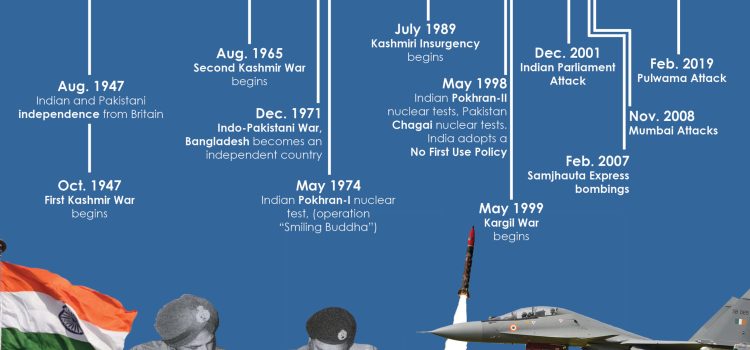
History of India-Pakistan Conflicts: A Timeline of Tensions and Peace Efforts

The history between India and Pakistan has been shaped by a complex mix of politics, religion, territorial disputes, and global dynamics. Since gaining independence from British colonial rule in 1947, both nations have experienced multiple conflicts, primarily over the Kashmir region. This article explores the key wars, skirmishes, and peace initiatives that have defined India-Pakistan relations.


📜 Partition and the Birth of Two Nations (1947)

In August 1947, British India was divided into two separate nations: India and Pakistan. The partition led to one of the largest mass migrations in human history and widespread communal violence. The status of Jammu and Kashmir, a princely state with a Muslim majority but a Hindu ruler, became a major source of tension.


⚔️ First Kashmir War (1947–1948)

Shortly after independence, tribal militias from Pakistan entered Kashmir. The Maharaja of Kashmir sought help from India and agreed to accede to the Indian Union. A war followed between the two countries, ending with a UN-mediated ceasefire in 1949. The region was split into India-administered Kashmir and Pakistan-administered Kashmir, a division that still exists today.


🛡️ Second India-Pakistan War (1965)

In 1965, another war broke out over Kashmir. Pakistan launched Operation Gibraltar, sending infiltrators into Indian-administered Kashmir. India responded with full-scale military action. The conflict ended with the Tashkent Agreement, brokered by the Soviet Union.


🔥 Third War and the Creation of Bangladesh (1971)

The third and most significant war occurred in 1971, but this time it was focused on East Pakistan (now Bangladesh). After political unrest and military crackdowns in East Pakistan, India supported the independence movement. The war ended in December 1971 with the creation of Bangladesh and the surrender of over 90,000 Pakistani troops.


💥 Kargil Conflict (1999)

In May 1999, Pakistani soldiers and militants occupied high-altitude positions in Kargil, on the Indian side of the Line of Control (LoC). This led to a limited but intense war known as the Kargil War. India successfully pushed back the infiltrators. Global diplomatic pressure, especially from the United States, played a role in de-escalation.


🚨 Major Terror Incidents and Border Skirmishes

While no full-scale wars have occurred since 1999, terror attacks and cross-border tensions have strained relations:

  • 2001 Indian Parliament Attack

  • 2008 Mumbai Attacks: Carried out by Lashkar-e-Taiba; led to a global outcry.

  • 2016 Uri Attack followed by Indian “surgical strikes”

  • 2019 Pulwama Attack and India’s airstrike in Balakot


🕊️ Diplomatic Efforts and Peace Talks

Despite tensions, both countries have made several attempts at peace:

  • Shimla Agreement (1972)

  • Agra Summit (2001)

  • Composite Dialogue Process

  • Backchannel diplomacy in recent years

People-to-people connections, cultural ties, and trade have also played a role in building bridges, although such efforts often falter due to political developments or fresh incidents.


🔮 Looking Ahead: The Future of India-Pakistan Relations

While historical grievances and strategic concerns remain, many experts believe that dialogue and confidence-building measures are the only path to lasting peace. Efforts must focus on:

  • Reducing cross-border violence

  • Addressing humanitarian concerns

  • Encouraging trade and connectivity

  • Managing water-sharing and border issues peacefully

Read Latest Update: India-Pakistan Tensions Rise in May 2025


📌 Conclusion

The history of India-Pakistan conflicts is marked by wars, crises, and periods of fragile peace. Understanding this history is crucial to fostering informed discussions and promoting peace in South Asia.


🇮🇳🇵🇰 India-Pakistan Tensions Rise in May 2025

In a significant escalation of hostilities, India launched Operation Sindoor on May 7, 2025, targeting what India claims were terrorist facilities within Pakistan and Pakistan-administered Kashmir. The operation was a direct response to the April 22 terrorist attack in Pahalgam, Indian-administered Kashmir, which led to the tragic loss of 26 tourists. The Resistance Front (TRF), a group linked to Lashkar-e-Taiba, claimed responsibility for the attack.


🎯 Operation Sindoor: Targets and Execution

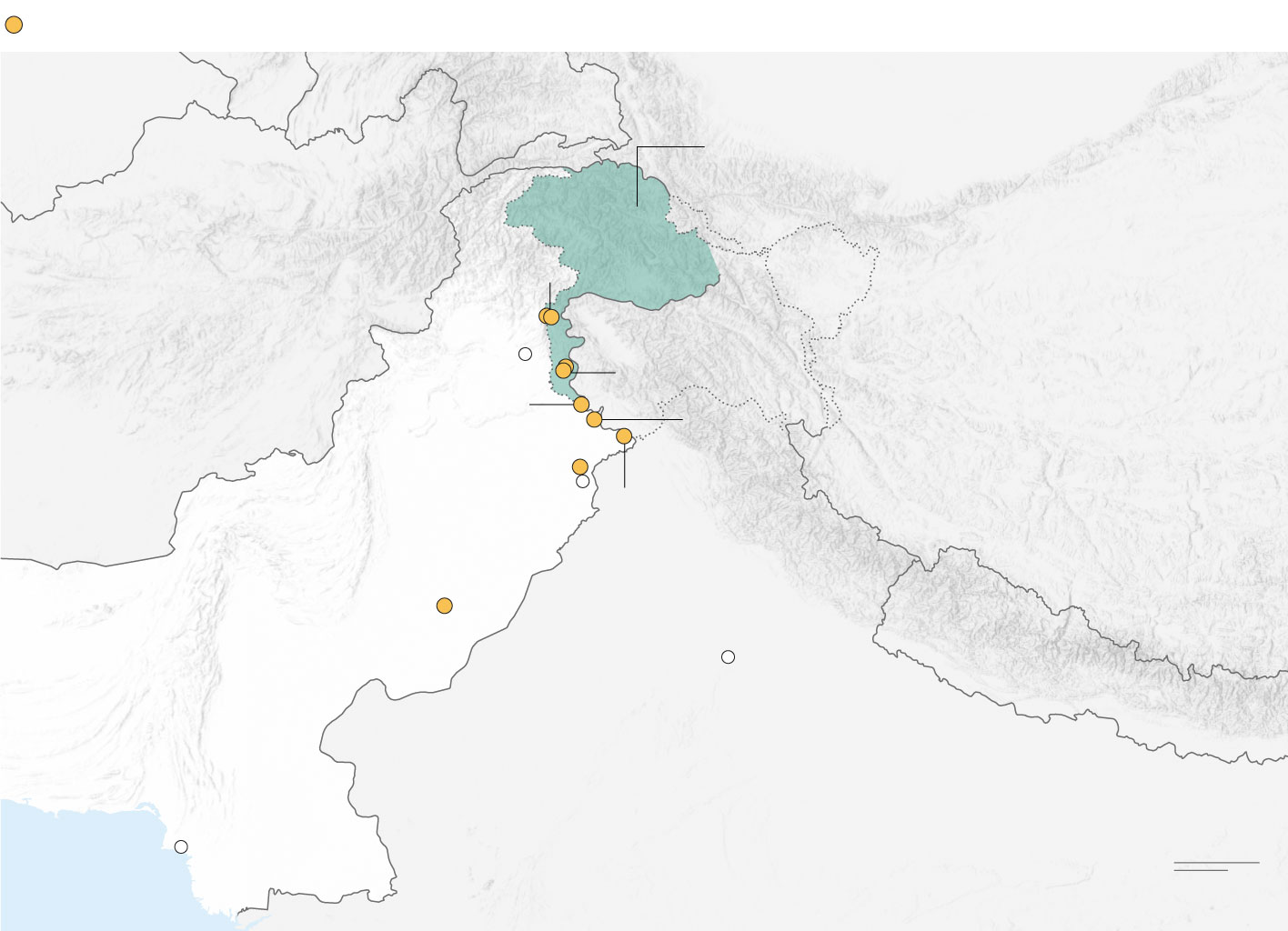
The Indian Air Force executed precision strikes on nine locations, including Bahawalpur, Muridke, Muzaffarabad, and Kotli. These sites were identified as operational bases for militant groups such as Lashkar-e-Taiba and Jaish-e-Mohammed. Utilizing Rafale jets equipped with SCALP missiles and AASM Hammer bombs, the 23-minute operation aimed to dismantle terrorist infrastructure.

India reported that the strikes were carefully planned to avoid civilian casualties. However, Pakistan contested this claim, stating that the attacks hit civilian areas, including mosques and educational institutions, reportedly causing 31 civilian casualties and 57 injuries.

Members of the media film the inside of a building after it was hit by an Indian strike in Bahawalpur, Pakistan, May 7, 2025.


🔁 Pakistan’s Retaliation

In response, Pakistan conducted artillery shelling across the Line of Control (LoC), particularly targeting the town of Poonch in Indian-administered Kashmir. This retaliation led to the casualties of 15 civilians, including children, and caused significant damage to civilian infrastructure.

Pakistan’s military also claimed to have shot down five Indian fighter jets during the ensuing skirmishes. India acknowledged the loss of at least two aircraft, with debris found in both Indian and Pakistan-administered territories.

The wreckage of an aircraft is seen in Wuyan, a village in Indian-administered Kashmir, on Wednesday.


🌐 International Reactions and Concerns

The international community expressed deep concern over the escalating conflict between the two nuclear-armed nations. United Nations Secretary-General António Guterres urged both sides to exercise maximum restraint. Former U.S. President Donald Trump labeled India’s strikes as “a shame,” emphasizing the need for diplomatic solutions.

Global powers, including the U.S., U.K., China, and Russia, have called for immediate de-escalation to prevent further deterioration of regional stability. The situation remains tense, with both countries maintaining heightened military readiness.


✈️ Impact on Civilian Life and Infrastructure

The conflict has significantly disrupted civilian life in both countries. Pakistan closed its airspace for 48 hours, leading to the cancellation of numerous flights and the closure of educational institutions in Punjab. In India, at least 25 airports in the north and west were shut down, and civil operations at Srinagar Airport were suspended indefinitely.

The shelling and airstrikes have caused widespread panic among civilians, leading to mass evacuations and displacement, particularly in border areas. The humanitarian situation is further exacerbated by power outages and limited access to essential services.


🧭 Historical Context and Future Implications

The Kashmir region has long been a flashpoint between India and Pakistan, with multiple wars and skirmishes since their independence in 1947. The recent escalation underscores the fragility of peace in the region and the potential for rapid deterioration into full-scale conflict.

Read More:History of India-Pakistan Conflicts

Analysts suggest that domestic political considerations may also be influencing the aggressive postures, with leaders seeking to bolster nationalistic sentiments. The international community continues to monitor the situation closely, advocating for dialogue and peaceful resolution.


📝 Conclusion

Operation Sindoor marks a significant escalation in India-Pakistan relations, with both sides engaging in military actions that have resulted in civilian casualties and heightened regional tensions. The international community’s calls for restraint highlight the urgent need for diplomatic engagement to prevent further escalation and ensure regional stability.

Read More:
2025 India–Pakistan standoff,
Pakistan threatens retaliation against India after attack on its territory, while the US calls for calm.,
India and Pakistan: A Timeline of Tensions Over Kashmir

Is your laptop getting slower day by day? Don’t worry—you don’t always need a RAM upgrade to see a major performance boost. In this guide, you’ll learn how to increase laptop speed using simple, effective tricks that work on Windows laptops, even older ones.

Whether you’re a student, freelancer, or casual user, these tips can help make your old laptop faster and more responsive without spending a dime.


🚀 Why Is My Laptop So Slow?

Before we dive into the fixes, it’s important to understand why your laptop may be lagging:

  • Too many background programs

  • Startup clutter

  • Temporary junk files

  • Fragmented hard drive

  • Outdated software

  • Malware or bloatware

Now, let’s fix it!


✅ 1. Disable Unnecessary Startup Programs

Many apps start automatically when you boot your PC, slowing down performance.

How to do it (Windows 10/11):

  • Press Ctrl + Shift + Esc to open Task Manager

  • Go to the Startup tab

  • Right-click and disable programs you don’t need on startup

👉 This one change can significantly improve laptop boot time and responsiveness.


✅ 2. Uninstall Bloatware & Unused Software

Most laptops come with unnecessary apps (a.k.a. bloatware). These apps eat up CPU and memory.

How to uninstall:

  • Go to Control Panel → Programs → Uninstall a program

  • Remove apps you never use (games, toolbars, pre-installed trials)

💡 This is one of the easiest forms of laptop optimization.


✅ 3. Clean Temporary Files & Cache

Junk files can slow down system processes.

Use Windows built-in Disk Cleanup tool:

  • Search for “Disk Cleanup” in the Start menu

  • Select the drive (usually C:)

  • Check options like Temporary files, Recycle Bin, Thumbnails

  • Click OK → Delete Files

Or use CCleaner (free version) for a deeper clean.


✅ 4. Switch to Lightweight Antivirus

Heavy antivirus programs like Norton or McAfee can slow down older laptops.

Use a lighter alternative like:

  • Microsoft Defender (built-in & efficient)

  • Bitdefender Free

  • Avast Lightweight Mode

This helps speed up the laptop without RAM upgrade by reducing background CPU load.


✅ 5. Change Power Settings to “High Performance”

Many laptops run in “Balanced” or “Power Saver” mode by default.

How to enable High Performance:

  • Go to Control Panel → Power Options

  • Select High Performance

This setting allows your CPU to work at its full potential (just be mindful of battery life).


✅ 6. Disable Visual Effects & Animations

Windows animations may look good, but they slow things down on older machines.

How to disable:

  • Search “Performance Options” in the Start menu

  • Go to the Visual Effects tab

  • Select Adjust for best performance or manually uncheck items like fade/slide effects

This improves speed, especially on machines with integrated graphics.


✅ 7. Defragment Your Hard Drive (HDD Only)

If your laptop uses a traditional HDD, fragmentation can reduce speed.

How to defrag:

  • Search “Defragment and Optimize Drives”

  • Select your C: drive → Click Optimize

⚠️ If you have an SSD, skip this step—it’s not needed.


✅ 8. Keep Software & Drivers Updated

Outdated drivers or OS patches can cause performance issues.

  • Use Windows Update regularly

  • Use your laptop manufacturer’s support site to get the latest drivers


✅ 9. Use a Lightweight Web Browser

Heavy browsers like Chrome can hog memory.

Try:

  • Microsoft Edge (optimized for Windows)

  • Brave Browser (fast + blocks ads)

  • Firefox with fewer add-ons

This improves browser speed and reduces system load.


✅ 10. Reset or Refresh Windows (Last Resort)

If nothing else works, consider a clean start:

  • Windows Reset: Go to Settings → Recovery → Reset this PC

  • Choose “Keep my files” to avoid losing personal data

This is a last resort but works wonders to clean laptops for speed.


🤔 FAQs

❓ Can I make my laptop faster without adding RAM?

Yes! With simple tweaks like disabling startup apps, cleaning junk files, and switching to high performance mode, you can noticeably boost speed.

❓ Will reinstalling Windows make my laptop faster?

Absolutely. A clean Windows install removes all junk and restores performance—but remember to back up your data.

❓ What’s the best free tool to speed up my laptop?

CCleaner is great for cleaning junk files, while Autoruns helps manage startup apps.


🧠 Final Thoughts

You don’t need expensive upgrades to revive your slow machine. With these proven tips, you now know how to increase laptop speed without upgrading RAM.

From disabling bloatware to optimizing startup processes, these changes can breathe new life into your system. Try 2–3 tips today and see the difference!

Looking for the best budget smartphones in 2025 that won’t break the bank? Whether you’re a student, professional, or just someone who wants a solid smartphone for everyday use, this list covers the best cheap phones under $300 in 2025 that deliver top-notch performance without the premium price.

Gone are the days when “budget” meant bad. Today’s affordable smartphones offer great cameras, long battery life, and even 5G—all without crossing the $300 mark.

🔥 Top Budget Android Phones in 2025 (Quick Glance)

Phone Price Display Processor Battery
Moto G Power (2025) $199 6.5” FHD+ Snapdragon 695 5000 mAh
Samsung Galaxy A15 5G $249 6.6” AMOLED MediaTek Dimensity 6100 5000 mAh
OnePlus Nord N200 (2025 Refresh) $229 6.5” 90Hz Snapdragon 480+ 5000 mAh
Nokia G400 5G $219 6.6” LCD Snapdragon 480 5000 mAh
Xiaomi Redmi Note 13 $275 6.67” AMOLED Snapdragon 685 5000 mAh

🧠 1. Moto G Power (2025 Edition)

The Moto G Power (2025) is an IP68 & IP69 rated phone with a 120 Hz display and a $300 price tag - Liliputing

Why it stands out: Insane battery life + clean software.

  • Price: $199

  • Battery: 3-day battery life

  • Pros: Clean Android, stereo speakers, solid camera

  • Cons: Plastic build, average night photos

This phone is a legend in the budget space. Great for users who value simplicity, performance, and endurance.

📸 2. Samsung Galaxy A15 5G

Amazon.com: Samsung Galaxy A15 4G LTE (128GB + 6GB) GSM Unlocked (for T-Mobile Mint Tello & Global) SM-A155M/DSN Dual Sim 6.5" 50MP Triple (Light Blue) : Cell Phones & Accessories

Why it stands out: AMOLED display under $250!

  • Price: $249

  • Display: 6.6” Super AMOLED

  • Pros: Premium screen, One UI software

  • Cons: Not ideal for heavy gaming

One of the few low-cost mobiles that comes with Samsung’s AMOLED display. Perfect for content lovers.

⚡ 3. OnePlus Nord N200 (2025 Refresh)

OnePlus Nord N200 will get only one major Android update - GSMArena.com news

Why does it stand out: 90Hz refresh rate at this price? Yes, please.

  • Price: $229

  • Performance: Smooth multitasking

  • Pros: 5G, clean Oxygen OS, great build

  • Cons: Limited camera features

This phone targets users who want speed and reliability, making it one of the top-budget Android phones in 2025.

📶 4. Nokia G400 5G

Nokia G400 5G - Continues the legacy of G series with competitive features - The Tech Outlook

Why it stands out: Affordable + stock Android + 5G.

  • Price: $219

  • Software: Near-stock Android

  • Pros: Solid performance, good software support

  • Cons: Average camera in low light

A no-nonsense device for those who want a pure Android experience with regular updates.

🎮 5. Xiaomi Redmi Note 13

Xiaomi Redmi Note 13 Pro 4G review - GSMArena.com tests

Why it stands out: All-rounder king in the budget segment.

  • Price: $275

  • Camera: 50MP main

  • Pros: Great performance, vibrant display, fast charging

  • Cons: MIUI ads (can be disabled)

Ideal for budget users who want a feature-rich experience without compromising on performance.

🧾 Buying Tips for Budget Phones

  • Look for at least 6GB RAM: Avoid lag during multitasking.

  • Choose phones with AMOLED or 90Hz display for smoother usage.

  • 5G is a bonus but not a must-have for all users.

  • Battery above 4500mAh ensures all-day usage.

  • Clean UI or near-stock Android gives you faster updates and a better user experience.

🧠 Final Thoughts

2025 is a great year for smartphone buyers on a budget. With brands competing to offer value-packed devices, you don’t have to spend a fortune to get a phone that looks good, runs fast, and lasts all day. Whether you want a top display, clean software, or long battery life, the list above covers the best budget smartphones in 2025 for every kind of user.


🤔 FAQs

❓ What is the best budget smartphone in 2025 under $300?

The Moto G Power (2025) and Samsung Galaxy A15 5G are great picks for under $300 with reliable performance and long battery life.

❓ Can I get 5G in a phone under $300?

Yes! Phones like the OnePlus Nord N200 and Nokia G400 5G offer 5G support at a low cost.

❓ Are cheap smartphones reliable for long-term use?

Absolutely. If you choose well-known brands and stick to phones with regular software updates, they can last 2–3 years comfortably.

In the modern business environment, small businesses often struggle to compete with larger corporations due to limited resources and scale. However, artificial intelligence (AI) presents an unprecedented opportunity for these smaller entities to bridge the gap, offering powerful tools that enhance productivity and innovation.

Demystifying AI for Small Business Owners

AI can seem intimidating, but it essentially involves technologies that enable machines to mimic human intelligence and perform tasks typically requiring human insight. Here’s how AI can be approachable and beneficial for small businesses:

  • Machine Learning (ML): ML algorithms improve automatically through experience. For small businesses, this means systems that get better at predicting customer behavior or optimizing prices over time.
  • Natural Language Processing (NLP): This technology enables businesses to interact effectively with customers through automated but personalized communication, improving response times and satisfaction rates.

Strategic Advantages of AI in Small Enterprises

Leveraging AI can transform several facets of a small business, enabling them to compete on a level previously only reserved for big companies:

  • Enhancing Customer Experience: AI can predict what customers are likely to buy next and suggest these products to them, creating personalized shopping experiences that increase loyalty and sales.
  • Streamlining Operations: From scheduling to logistics, AI can automate numerous back-office operations, allowing businesses to focus on growth and customer engagement.

Practical Applications of AI in Everyday Business Scenarios

AI can be seamlessly integrated into the daily operations of a small business. Here are some practical ways AI can be utilized:

  • Predictive Analytics in Inventory Management: AI tools analyze past sales data to predict future demand, helping businesses keep just the right amount of stock on hand.
  • AI-Enhanced Customer Support: Small businesses can deploy chatbots to handle routine customer inquiries, freeing up human agents to handle more complex issues.

Detailed Blueprint for Implementing AI in Small Businesses

A detailed guide to adopting AI can help mitigate fears and ensure a smooth transition:

  1. Identify Opportunities: Look for areas where AI can have the most immediate impact, such as customer service or inventory management.
  2. Select the Right Technology: Choose AI solutions that align with your business goals and are scalable as your business grows.
  3. Training and Onboarding: Educate your team about AI tools. Proper training ensures that your staff can make the most out of these technologies.
  4. Pilot Testing: Start with a small project to test the waters before a full-scale rollout. This approach helps identify potential issues in a controlled environment.

Navigating Challenges and Ethical Considerations

Implementing AI comes with its set of challenges, which require careful consideration:

  • Cost: While AI technology is becoming more accessible, the initial investment can still be significant. It’s important to calculate ROI and plan financially.
  • Data Privacy: Adhering to data protection laws is critical. Small businesses must ensure that their use of AI complies with regulations to protect customer information.
  • Maintaining the Human Element: It’s vital to balance automation with personal customer interactions, preserving the unique charm that many small businesses have.

Future Trends and Opportunities in AI for Small Businesses

Looking forward, the integration of AI in small business operations is likely to accelerate:

  • Advanced AI Analytics: As AI tools become more sophisticated, they will provide deeper insights into business performance and customer preferences.
  • AI in Product Development: AI can help small businesses in product development by analyzing consumer feedback and market trends to suggest product improvements or new products.

Conclusion

AI technology is a powerful equalizer in the business world. Small businesses that adopt AI strategically can enhance efficiency, improve customer relations, and significantly boost their market competitiveness. With careful planning and implementation, AI can be a transformative tool for any small business looking to thrive in today’s digital economy.


The digital frontier is expanding rapidly, and at the forefront of this expansion is the metaverse, a concept once confined to science fiction but now increasingly a part of our technological discourse. This virtual realm offers a new way of experiencing the world, combining elements of digital and physical realities into a singular, immersive platform. But how exactly does it work, and what changes can we anticipate daily?

Understanding the Metaverse

The metaverse is essentially a digital universe, an expansive network of interconnected virtual spaces that mimic and extend the physical world. It integrates augmented reality (AR), virtual reality (VR), and blockchain technologies to create environments where users can interact with each other and digital objects in real-time. Unlike today’s internet, which is viewed on screens, the metaverse is an immersive experience that you ‘live’ inside.

Key Features of the Metaverse

Several core features define the metaverse:

  • Immersive Virtual Reality: Beyond simple VR games, the metaverse offers a sensory experience that includes touch, sight, and sound, creating a feeling of physical presence within a digital space.
  • Interoperability: Users can carry their identities and assets from one platform to another seamlessly. This means your avatar and digital assets can accompany you across various experiences, from shopping malls to virtual mountain hikes.
  • Digital Economies: Powered by cryptocurrencies and NFTs, the metaverse has its own economies where users can earn, spend, and invest just as they do in the real world, with digital assets ranging from artwork to real estate.
  • Social Connections: It promises a revolution in social connectivity, enabling more nuanced and engaging interactions than currently possible via social media or video calls.

Industries Impacted by the Metaverse

The reach of the metaverse extends across:

  • Entertainment and Gaming: It is set to redefine entertainment, offering not just games but holistic experiences, such as attending a live concert or film premiere in a fully immersive setting.
  • Education and Training: Imagine learning history by virtually visiting historical events or studying astronomy by walking on a digitally rendered moon.
  • Real Estate and Virtual Property: Like physical property, virtual spaces and buildings can be bought and sold, often for substantial sums, reflecting their value in a fully digital economy.
  • Retail and Virtual Commerce: Shoppers can try clothes on avatars styled after themselves, walk through digital stores, or see how furniture looks in their virtual homes before making a purchase.

Challenges and Considerations

As transformative as it is, the metaverse comes with significant challenges:

  • Privacy and Security: With increased data integration, safeguarding personal information becomes more complex but also more critical.
  • Ethical and Societal Implications: Issues such as identity theft, harassment, and the digital divide need addressing to prevent the metaverse from exacerbating social inequalities.
  • Technological Limitations: The full potential of the metaverse is gated behind advancements in network speeds, data processing capabilities, and user interface technologies.

Future Predictions and Trends

As the boundaries between physical and digital worlds blur, the metaverse could fundamentally alter aspects of human behavior, including how we connect with others, consume entertainment, and even perceive reality. The evolution of the metaverse will likely be marked by rapid technological innovations and could usher in a new era of digital interaction.

Conclusion

The metaverse stands as a beacon of future technology, promising a blend of reality and virtuality that could reshape every aspect of our lives. Understanding and preparing for its impact is crucial as we step into this next chapter of digital evolution, ensuring that we harness its benefits while mitigating its risks. As we explore this new virtual landscape, the possibilities—and responsibilities—are enormous.