
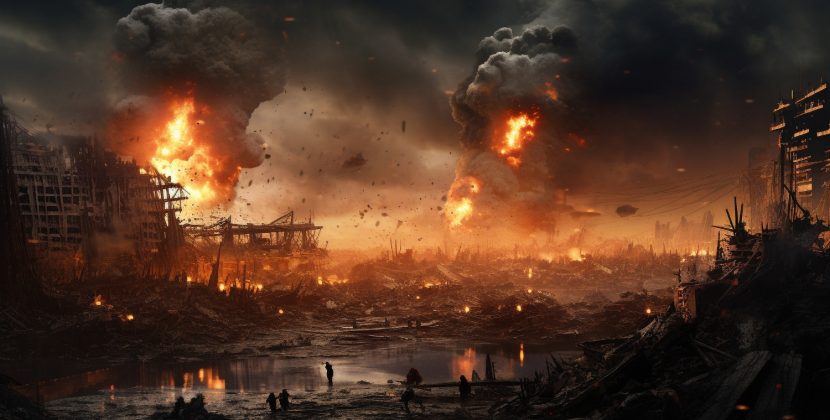



The tension between Israel, Iran, and the United States has been building for decades, but the years from 2024 to 2026 have brought the situation closer to open conflict than ever before. What we are seeing today is not a sudden war, but the result of long-standing political, military, and ideological differences.
In this article, we will break down the full history, what caused the escalation, how events unfolded step by step, and what could happen next. This analysis is based on global developments, regional strategies, and diplomatic movements, including Pakistan’s growing role in mediation.
Background of Israel and Iran Conflict

The roots of the conflict go back to the 1979 Iranian Revolution. Before that, Iran and Israel had relatively stable relations. However, after the revolution, Iran adopted a strong anti-Israel stance and began supporting groups that oppose Israel in the region.
Over the years, this tension expanded through indirect conflicts, often called proxy wars. Iran supported groups in Lebanon, Syria, and Gaza, while Israel carried out intelligence operations and targeted strikes against Iranian assets.
The United States has been a key ally of Israel, which further complicates the situation.
What Triggered the 2024 to 2026 Escalation
The recent escalation did not happen overnight. Several key events contributed to the rising tensions:
1. Gaza War Spillover
After the 2023 Gaza conflict, tensions increased across the Middle East. Iran-backed groups became more active, while Israel increased its military operations.
2. Attacks on Military Installations
There were multiple reported strikes on Iranian-linked sites in Syria. These incidents increased direct hostility between the two sides.
3. Red Sea and Shipping Crisis
Iran-linked groups targeted international shipping routes. This triggered responses from the United States and its allies, increasing military presence in the region.
4. Nuclear Program Concerns
The biggest concern remains Iran’s nuclear program. Israel has repeatedly stated it will not allow Iran to develop nuclear weapons, which keeps the possibility of direct confrontation alive.
Timeline of Major Events (Simplified)
Late 2024
- Increased clashes in Syria and Lebanon
- Rising attacks from proxy groups
Early 2025
- US increases its military presence in the Middle East
- Israel conducts more strategic operations
Late 2025
- Regional instability grows
- Oil routes become sensitive zones
Early 2026
- Diplomatic pressure increases
- Backchannel talks begin in multiple countries
Pakistan’s Role in Diplomacy

Pakistan has traditionally maintained relations with both Iran and the United States, while also supporting stability in the Muslim world. Because of this unique position, Pakistan often plays a quiet diplomatic role.
There are growing reports and expectations that Pakistan could facilitate dialogue or informal discussions aimed at reducing tensions. These diplomatic efforts are critical, as regional stability directly impacts Pakistan’s economy and security.
Meetings and discussions involving regional stakeholders are expected to continue, as countries try to avoid a full-scale war.
Global Impact of the Conflict
Even without a full war, the impact is already visible:
- Oil prices remain unstable
- Global trade routes face risk
- Investors are cautious
- Political alliances are shifting
This conflict is not just regional. It affects the entire world economy.
Conclusion
The situation between Israel, Iran, and the United States is complex and evolving. It is not a single event, but a chain of developments over many years.
In Part 2, we will cover what could happen next, possible war scenarios, economic impact, and whether the world is moving toward a larger conflict.
Read Part-2: Israel-Iran Conflict 2026 Future Predictions and War Scenarios (Part-2)