


What Could Happen Next in 2026
The situation between Israel, Iran, and the United States is still developing. While a full-scale war has not officially broken out, the region remains highly sensitive. The next few months are critical.
There are three possible directions this conflict can take.
Scenario 1: Diplomatic Solution and De-escalation
This is the best-case scenario for the world.
In this situation, backchannel diplomacy becomes successful. Countries like Pakistan, Qatar, and Turkey may help reduce tensions by facilitating dialogue between the parties involved.
If talks continue and both sides agree to limit military actions, the region could avoid war. This would stabilize oil markets and restore investor confidence.
Pakistan’s potential involvement in diplomatic discussions (Islamabad Talks) shows how important regional cooperation is becoming.
Scenario 2: Limited Regional Conflict

This is the most likely scenario according to many analysts.
Instead of a direct large-scale war, both sides may continue indirect attacks through proxy groups. These include operations in Syria, Lebanon, and maritime routes.
In this case:
- Israel may continue targeted strikes
- Iran may respond through allied groups
- The United States may stay involved but avoid full war
This type of conflict can continue for years without a clear winner.
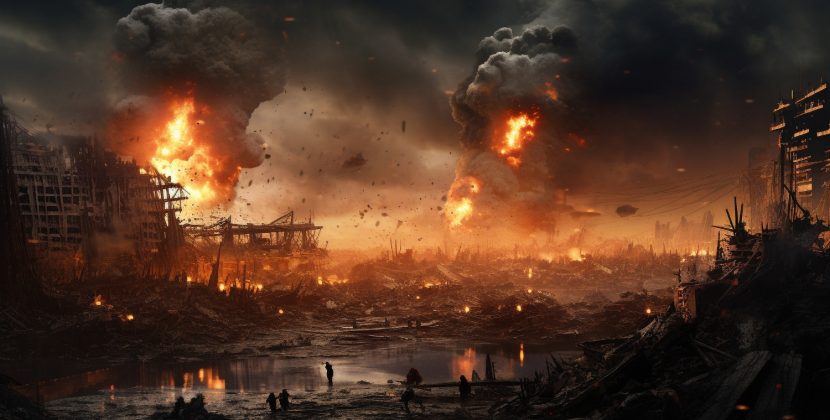
Scenario 3: Full-Scale War
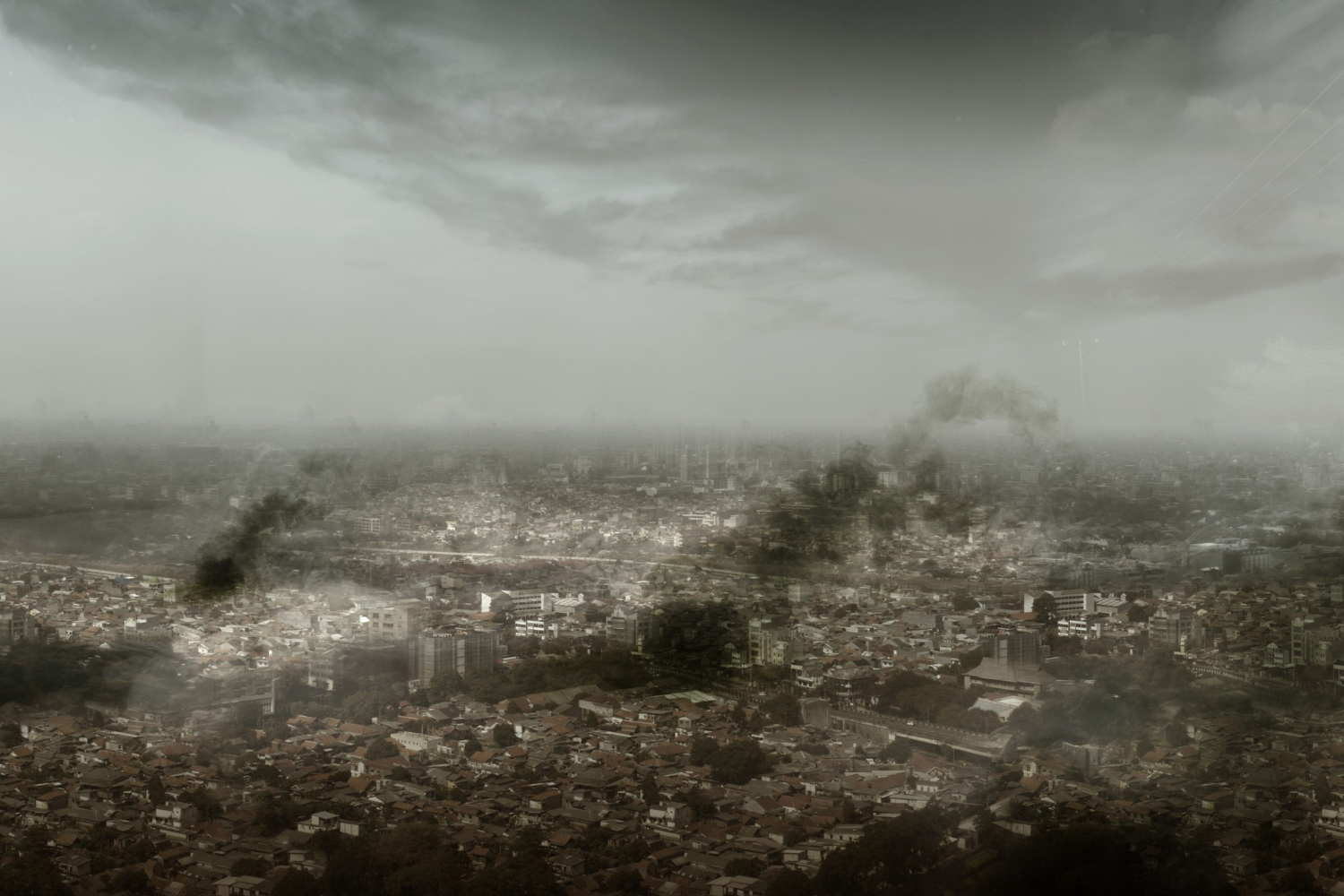
This is the worst-case scenario.
A direct military confrontation between Israel and Iran, with United States involvement, would have serious global consequences.
Possible outcomes include:
- Massive destruction in key regions
- Disruption of the global oil supply
- Involvement of multiple countries
- Severe economic crisis worldwide
However, most global powers are trying to avoid this scenario.
Who is Stronger Militarily

The strength of each side is different in nature.
Israel has advanced technology, intelligence systems, and strong support from the United States. Its air defense systems are among the best in the world.
Iran, on the other hand, relies on missile capabilities, regional influence, and proxy networks. It has strategic depth across the Middle East.
The United States remains the most powerful military force globally and plays a decisive role in maintaining balance.
This makes the conflict complex, with no easy outcome.
Impact on Pakistan
Pakistan is not directly involved in the conflict, but the effects are still significant.
1. Oil Prices and Inflation
Pakistan depends heavily on imported oil. Any disruption in Middle East supply routes can increase fuel prices.
Higher fuel costs lead to:
- Inflation
- Increased transportation costs
- Higher electricity prices
2. Economic Pressure
Global uncertainty affects currency value, imports, and exports. Pakistan’s economy could face additional pressure if the conflict escalates.
3. Diplomatic Responsibility
Pakistan often plays a balanced role in global politics. It maintains relationships with multiple countries and supports peaceful resolutions.
This gives Pakistan an opportunity to contribute to diplomatic efforts and improve its global standing.
Importance of Ongoing Talks
Diplomatic talks are the only long-term solution.
Countries across the region are trying to prevent escalation. Meetings, negotiations, and international pressure are all part of this effort.
Even if results are not immediate, continued dialogue reduces the chances of sudden conflict.
The coming weeks are especially important, as discussions are expected to continue at multiple levels.
What This Means for the World
This conflict is not limited to one region. Its impact is global.
- Energy markets react quickly to tensions
- Stock markets become unstable
- Trade routes face risks
- Political alliances shift
This is why global leaders are closely monitoring every development.
Final Thoughts
The Israel-Iran conflict in 2026 is a developing situation shaped by history, politics, and global power dynamics. While the risk of escalation exists, there is still a strong push toward diplomacy.
The future depends on how effectively countries manage tensions and prioritize stability over confrontation.
For now, the world watches closely, hoping for peace but preparing for uncertainty.
Read Part-1: Israel-Iran Conflict 2026 Full History, Causes, Timeline and What Happens Next (Part-1)