


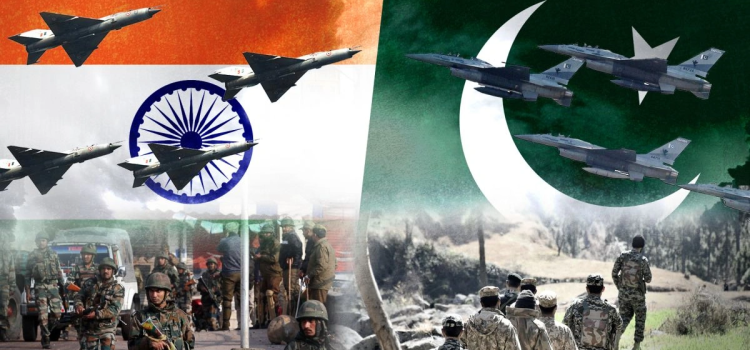
🇮🇳🇵🇰 India-Pakistan Tensions Rise in May 2025
In a significant escalation of hostilities, India launched Operation Sindoor on May 7, 2025, targeting what India claims were terrorist facilities within Pakistan and Pakistan-administered Kashmir. The operation was a direct response to the April 22 terrorist attack in Pahalgam, Indian-administered Kashmir, which led to the tragic loss of 26 tourists. The Resistance Front (TRF), a group linked to Lashkar-e-Taiba, claimed responsibility for the attack.
🎯 Operation Sindoor: Targets and Execution
The Indian Air Force executed precision strikes on nine locations, including Bahawalpur, Muridke, Muzaffarabad, and Kotli. These sites were identified as operational bases for militant groups such as Lashkar-e-Taiba and Jaish-e-Mohammed. Utilizing Rafale jets equipped with SCALP missiles and AASM Hammer bombs, the 23-minute operation aimed to dismantle terrorist infrastructure.
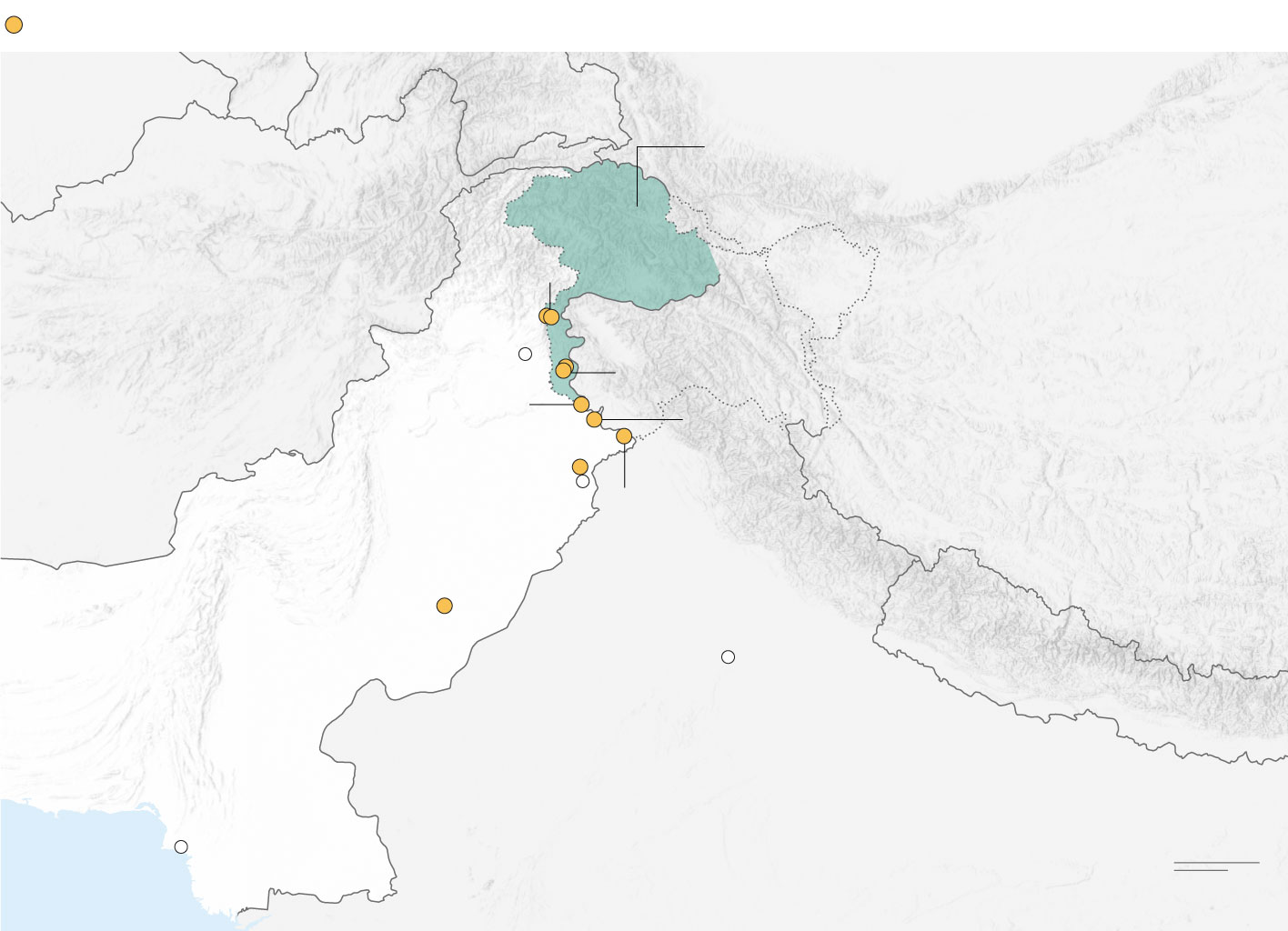
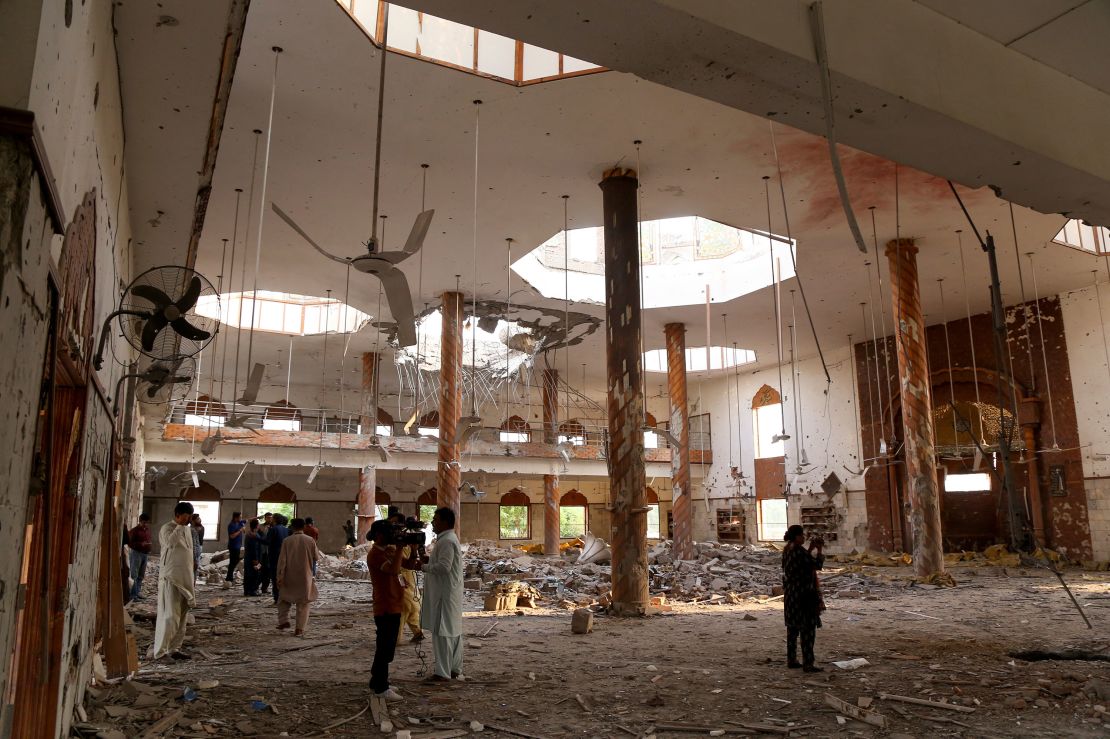
India reported that the strikes were carefully planned to avoid civilian casualties. However, Pakistan contested this claim, stating that the attacks hit civilian areas, including mosques and educational institutions, reportedly causing 31 civilian casualties and 57 injuries.
🔁 Pakistan’s Retaliation
In response, Pakistan conducted artillery shelling across the Line of Control (LoC), particularly targeting the town of Poonch in Indian-administered Kashmir. This retaliation led to the casualties of 15 civilians, including children, and caused significant damage to civilian infrastructure.
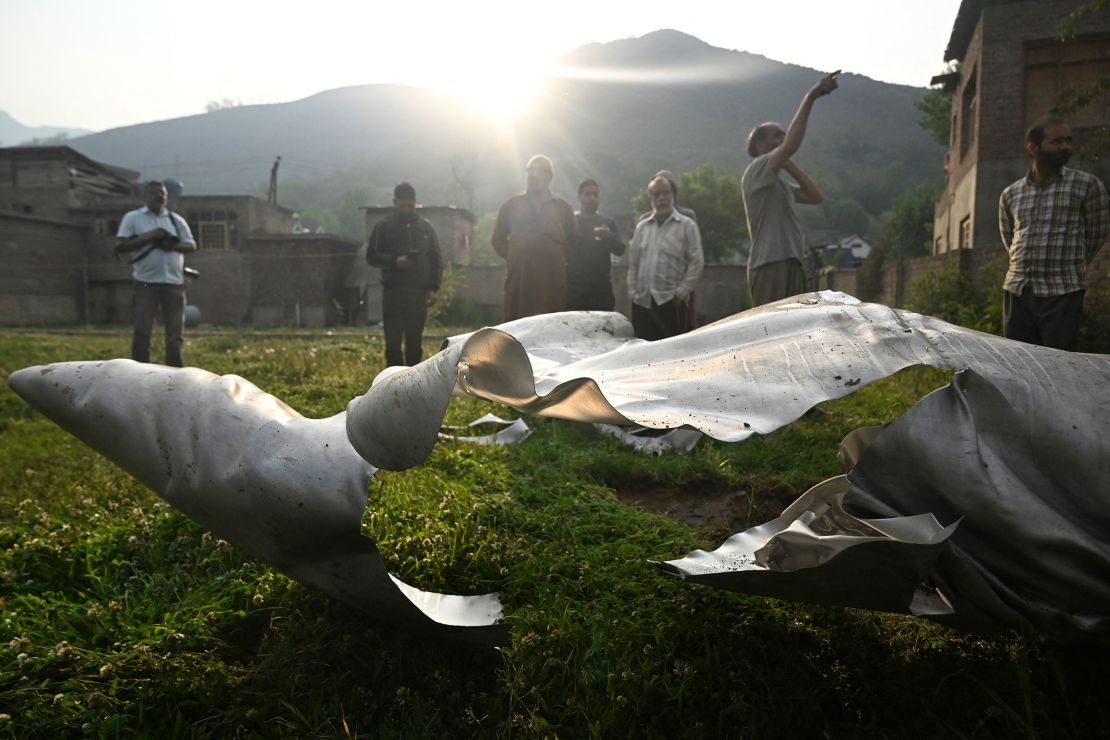
Pakistan’s military also claimed to have shot down five Indian fighter jets during the ensuing skirmishes. India acknowledged the loss of at least two aircraft, with debris found in both Indian and Pakistan-administered territories.
🌐 International Reactions and Concerns
The international community expressed deep concern over the escalating conflict between the two nuclear-armed nations. United Nations Secretary-General António Guterres urged both sides to exercise maximum restraint. Former U.S. President Donald Trump labeled India’s strikes as “a shame,” emphasizing the need for diplomatic solutions.
Global powers, including the U.S., U.K., China, and Russia, have called for immediate de-escalation to prevent further deterioration of regional stability. The situation remains tense, with both countries maintaining heightened military readiness.
✈️ Impact on Civilian Life and Infrastructure
The conflict has significantly disrupted civilian life in both countries. Pakistan closed its airspace for 48 hours, leading to the cancellation of numerous flights and the closure of educational institutions in Punjab. In India, at least 25 airports in the north and west were shut down, and civil operations at Srinagar Airport were suspended indefinitely.
The shelling and airstrikes have caused widespread panic among civilians, leading to mass evacuations and displacement, particularly in border areas. The humanitarian situation is further exacerbated by power outages and limited access to essential services.
🧭 Historical Context and Future Implications
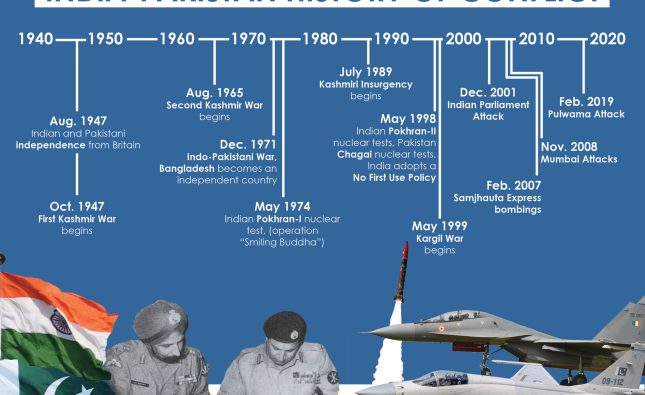
The Kashmir region has long been a flashpoint between India and Pakistan, with multiple wars and skirmishes since their independence in 1947. The recent escalation underscores the fragility of peace in the region and the potential for rapid deterioration into full-scale conflict.
Read More: History of India-Pakistan Conflicts
Analysts suggest that domestic political considerations may also be influencing the aggressive postures, with leaders seeking to bolster nationalistic sentiments. The international community continues to monitor the situation closely, advocating for dialogue and peaceful resolution.
📝 Conclusion
Operation Sindoor marks a significant escalation in India-Pakistan relations, with both sides engaging in military actions that have resulted in civilian casualties and heightened regional tensions. The international community’s calls for restraint highlight the urgent need for diplomatic engagement to prevent further escalation and ensure regional stability.
Read More:
2025 India–Pakistan standoff,
Pakistan threatens retaliation against India after attack on its territory, while the US calls for calm.,
India and Pakistan: A Timeline of Tensions Over Kashmir