




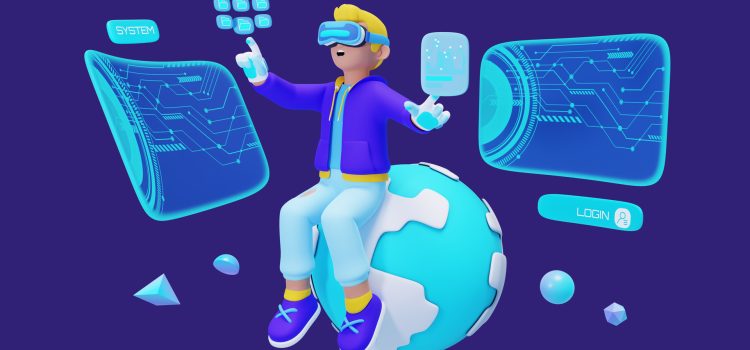
The digital frontier is expanding rapidly, and at the forefront of this expansion is the metaverse, a concept once confined to science fiction but now increasingly a part of our technological discourse. This virtual realm offers a new way of experiencing the world, combining elements of digital and physical realities into a singular, immersive platform. But how exactly does it work, and what changes can we anticipate daily?
Understanding the Metaverse
The metaverse is essentially a digital universe, an expansive network of interconnected virtual spaces that mimic and extend the physical world. It integrates augmented reality (AR), virtual reality (VR), and blockchain technologies to create environments where users can interact with each other and digital objects in real-time. Unlike today’s internet, which is viewed on screens, the metaverse is an immersive experience that you ‘live’ inside.
Key Features of the Metaverse
Several core features define the metaverse:
- Immersive Virtual Reality: Beyond simple VR games, the metaverse offers a sensory experience that includes touch, sight, and sound, creating a feeling of physical presence within a digital space.
- Interoperability: Users can carry their identities and assets from one platform to another seamlessly. This means your avatar and digital assets can accompany you across various experiences, from shopping malls to virtual mountain hikes.
- Digital Economies: Powered by cryptocurrencies and NFTs, the metaverse has its own economies where users can earn, spend, and invest just as they do in the real world, with digital assets ranging from artwork to real estate.
- Social Connections: It promises a revolution in social connectivity, enabling more nuanced and engaging interactions than currently possible via social media or video calls.
Industries Impacted by the Metaverse
The reach of the metaverse extends across:
- Entertainment and Gaming: It is set to redefine entertainment, offering not just games but holistic experiences, such as attending a live concert or film premiere in a fully immersive setting.
- Education and Training: Imagine learning history by virtually visiting historical events or studying astronomy by walking on a digitally rendered moon.
- Real Estate and Virtual Property: Like physical property, virtual spaces and buildings can be bought and sold, often for substantial sums, reflecting their value in a fully digital economy.
- Retail and Virtual Commerce: Shoppers can try clothes on avatars styled after themselves, walk through digital stores, or see how furniture looks in their virtual homes before making a purchase.
Challenges and Considerations
As transformative as it is, the metaverse comes with significant challenges:
- Privacy and Security: With increased data integration, safeguarding personal information becomes more complex but also more critical.
- Ethical and Societal Implications: Issues such as identity theft, harassment, and the digital divide need addressing to prevent the metaverse from exacerbating social inequalities.
- Technological Limitations: The full potential of the metaverse is gated behind advancements in network speeds, data processing capabilities, and user interface technologies.
Future Predictions and Trends
As the boundaries between physical and digital worlds blur, the metaverse could fundamentally alter aspects of human behavior, including how we connect with others, consume entertainment, and even perceive reality. The evolution of the metaverse will likely be marked by rapid technological innovations and could usher in a new era of digital interaction.
Conclusion
The metaverse stands as a beacon of future technology, promising a blend of reality and virtuality that could reshape every aspect of our lives. Understanding and preparing for its impact is crucial as we step into this next chapter of digital evolution, ensuring that we harness its benefits while mitigating its risks. As we explore this new virtual landscape, the possibilities—and responsibilities—are enormous.